





Today, Thursday 11 December 2025, Te Aho o Te Kahu Cancer Control Agency released The State of Cancer in New Zealand 2025 (the report), providing an updated snapshot of progress in cancer control over the last 5 years. 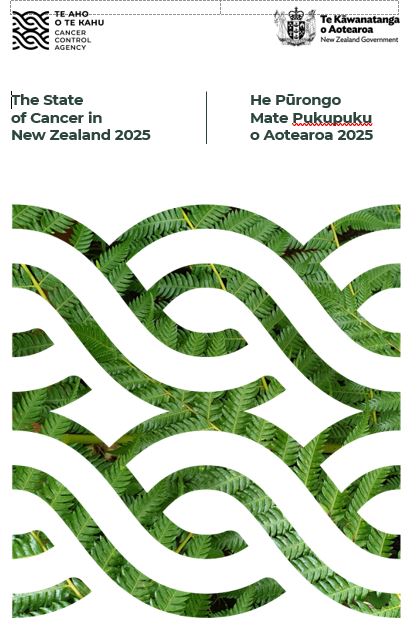
The report shows New Zealand continues to make encouraging progress in key areas of prevention, early detection and treatment.
‘This report provides the public, health sector and Government with an updated picture of cancer control in New Zealand,’ Rami Rahal, Chief Executive of Te Aho o Te Kahu | Cancer Control Agency said.
‘Since we completed the first State of Cancer report 5 years ago, we’ve seen considerable improvements in several important areas.
‘The chance of surviving cancer has improved over the last 20 years. Smoking rates are declining across all ethnicities, and our national screening programmes are becoming more effective and accessible.
‘However, much work is still needed.’
The report highlights that the number of people diagnosed with cancer each year will continue to rise – from over 30,000 in 2025 to more than 45,000 by 2044. This projected increase underscores the need for ongoing investment to ensure the health system is ready.
‘We cannot respond to this big increase in demand by doing more of the same. We need new and innovative ways of delivering care and preventing cancers.’
Up to half of all cancers may be prevented by eradicating tobacco use, limiting alcohol intake and ensuring access to healthy nutrition, physical activity, sun protection and infection-prevention measures.
The report also highlights that efforts to improve cancer control must continue to focus on populations who experience worse incidence, access and outcomes.
Māori are around 1.6 times more likely, and Pacific peoples 1.4 times more likely, to die from cancer than people of European/other ethnicity. These inequities persist across the continuum of care – from prevention to treatment – and require sustained, targeted action.
‘Addressing inequities must remain a system-wide priority,’ Rahal said. ‘Everyone in New Zealand deserves the same access to treatment and chance of cure.’
Early detection continues to be one of the most effective strategies for improving survival outcomes.
‘Increasing participation in screening is a proven way to not only finding cancers early, but in some cases, preventing cancer from starting,’ Rahal said. ‘The earlier a person’s cancer is detected and treated, the better the outcomes for them and their whānau.
‘To support continued progress, we are working with the sector to refresh the actions in the New Zealand Cancer Action Plan 2019–2029, ensuring it reflects the latest evidence and prepares the system to manage the rising number of cancer cases while maintaining the highest quality of care.’
This refreshed plan will be published around February next year.
‘I want to personally thank everyone in the health and cancer systems who works tirelessly to ensure people get the care they need and deserve.
‘While there are ongoing challenges, we will continue working together to respond to the needs of people with cancer and improve care, survival and equity for all.’
Read the Full and Summary and Insights Reports of The State of Cancer in New Zealand 2025 - He Pūrongo Mate Pukupuku o Aotearoa 2025 on ourwebsite.