







CanShare update 31 October 2025
The Agency's Data and Analytics team sends out two newsletters each year around April and October. They provide updates on the latest CanShare projects and other data initiatives to improve the accessibility of cancer data, so clinicians and patients can view near real-time treatment data across Aotearoa New Zealand.
Seek and discover, discover and know, know and become enlightened.
Tēnā koutou katoa,
Welcome to the October edition of the CanShare Newsletter. Over the past six months, the CanShare programme has made significant strides to improve New Zealand’s cancer data infrastructure. From expanding national registries to pioneering AI-assisted reporting, the programme continues to deliver on its vision of supporting equity-led, knowledge-driven, and outcomes-focused cancer care.
Key milestones include the publication of updated systemic anti-cancer therapy (SACT) regimens through the ACT-NOW library, now supporting over 800 standardised treatment protocols. The Radiation Oncology Collection (ROC) has progressed toward satellite centre integration, with new data submission processes being piloted in Taranaki. The SNOMED CT October release introduced 474 reference sets and 2,344 value sets tailored for cancer care, enhancing consistency across diagnostics, treatment plans, and national registers.
CanShare’s structured pathology programme also gained momentum, with new SNOMED CT concepts developed for ancillary studies in breast and colorectal cancers. These innovations were showcased at international forums in Antwerp, reinforcing New Zealand’s leadership in cancer informatics. An AI-assisted Structured Anatomical Pathology (ASAP) pilot is underway, exploring approaches for real-time, coded pathology reporting.
Together, these initiatives reflect CanShare’s commitment to supporting clinicians, empowering patients, and driving continuous improvement by making accurate, real-time data more accessible across the health system.
The ACT-NOW project continues to advance towards full functionality, with a major focus on integrating prescribing data from regional systems into national infrastructure. We anticipate these data will be integrated by the end of 2026, with continued support from Health New Zealand – Te Whatu Ora. Health NZ continues to import data from both the Northern Region’s Raurau Ngaehe oncology e-prescribing system and the MOSAIQ system used in Wellington and across Te Waipounamu and MidCentral regions. A business case is being developed to build an API to connect Raurau Ngaehe with the CanShare environment, enabling near real-time national sharing of these data. ACT-NOW will also support any future implementation of an oncology e-prescribing system in Te Manawa Taki. When this region is added ACT-NOW will deliver national public oncology e-prescribing, significantly strengthening the ability to deliver consistent, high-quality cancer treatment data across Aotearoa New Zealand.
The Systemic Anti-Cancer Therapy Regimen Library (SRL) underpins the ACT-NOW programme by providing nationally agreed, standardised, and coded descriptions of systemic anti-cancer therapy (SACT) regimens used across New Zealand. Developed through a multidisciplinary collaboration involving clinicians, pharmacists, and informatics specialists, the SRL defines the combinations, doses, frequencies, and supportive care components of cancer treatments. These regimen definitions form the foundation for consistent prescribing, reporting, and data collection, enabling the capture of nationally comparable treatment data. The SRL system includes a platform for authoring regimens, conducting quality control and stakeholder consultation, and publishing regimens both on a public-facing website and in machine-readable formats for authorised users. By aligning clinical practice with these standardised definitions, the SRL supports ACT-NOW’s goals of reducing variation, improving equity of access, and informing national cancer service planning and quality improvement.
Over the past quarter, the focus has been on keeping the regimen library up to date, conducting annual review workshops to ensure regimens reflect current clinical practice, and consulting on improvements such as supportive care guidance, desensitisation protocols, and chemotherapy dose banding resources. Four new regimens were published, with a further four updated, bringing the total to 837 published regimens. An additional 75 new regimens are in the publication pipeline, and 71 new regimens were identified for future development during the latest round of review workshops. Several system enhancements were also made to the website to improve the user experience.
- To explore the library, visit the Systemic anticancer Regimen Library
- To receive monthly updates, sign up to the newsletter
Each year, ACT-NOW runs review workshops to discuss systemic anti-cancer therapy (SACT) regimens for various cancer types. These workshops are one hour long and held online via Zoom.
If you are prescribing SACT medicines in New Zealand please register your interest (link below). Non-prescribing oncology nurses and pharmacists in New Zealand are also welcome to register.
Register here: https://srl.org.nz/regimens/workshops
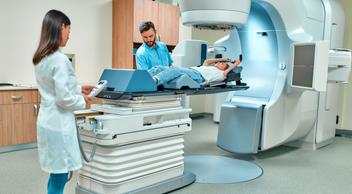
We are pleased to be partnering with MidCentral to prepare for ROC data submission from the new Taranaki cancer centre opening later this year.
A single vendor system will be shared between the tertiary and new satellite centre. This differs from the current process, where each site has its own individual vendor system. To support this change, we are designing a solution to clearly distinguish the site where a person receives treatment.
We are implementing and testing this new process to ensure ROC data submissions remain secure, consistent, and accurate. Once established, this process will provide a robust framework that can be applied to any future satellite centres.
Once data from the satellite centre becomes available, it will be displayed independently from the tertiary centre on the ROC dashboard. We appreciate the collaboration and forward planning from all involved.
ROC is already a well-established and fully functional national dataset. To align with CanShare compliance standards, enhancements are underway to incorporate SNOMED CT codes into radiation oncology vendor systems. This standardisation will improve data interoperability across New Zealand. Discussions with vendors to enable SNOMED CT integration are progressing, supporting a more connected and future-ready data environment.

Accurate, consistent, and interoperable cancer data is essential for improving patient outcomes, supporting research, and enabling nationwide coordination of care. SNOMED CT provides a globally recognised clinical terminology that ensures cancer data is captured in a standardised way across all systems. This allows clinicians, researchers, and health services to share and analyse information seamlessly, reducing duplication, improving decision-making, and strengthening national cancer initiatives. The investment in SNOMED CT delivers long-term value by enabling better data quality, interoperability, and equity in cancer care.
To make SNOMED CT practical in everyday clinical workflows, it’s organised into key components that simplify implementation. Reference sets, value sets, and concepts are the building blocks that ensure SNOMED CT is comprehensive and tailored to real-world use, making data entry and reporting consistent and efficient.
- A reference set is a curated group of SNOMED CT concepts designed for a specific purpose, such as recording cancer diagnoses, treatments, or pathology findings.
- A value set is a defined list of codes drawn from SNOMED CT to meet particular data capture needs to support interoperability.
- A concept represents a unique clinical idea (e.g. a diagnosis, procedure, or test result) and is identified by a numeric code. These concepts form the foundation of reference sets and value sets, enabling precise and standardised representation of clinical information.
We have developed 474 CanShare reference sets for New Zealand, providing standard sets of SNOMED CT concepts for recording, sharing, and querying cancer data. These reference sets ensure consistent display of cancer data across the country related to various aspects of cancer care. This includes diagnostics, treatment plans, national registers, and screening programmes.
The October 2025 NZ edition includes 16 new and 48 updated CanShare reference sets, 410 static reference sets, and 334 new concepts. Release notes outlining the content of the New Zealand extension and CanShare reference sets are on the SNOMED International Release Management page.
You can view this content online using the SNOMED CT Browser and accessed via API using the New Zealand Health Terminology Service (NZHTS). Also, now available from the New Zealand Heath Terminology Server are 2,344 value sets to support accurate and detailed cancer data collection.
Using the SNOMED CT modelling templates developed by the CanShare team, we have created concepts to represent ancillary tests and test findings for breast and colorectal cancers. These concepts will be used to support pathologists and clinicians in structured pathology reporting and capturing eligibility information for systemic anti-cancer therapy (SACT). With the expansion of funded cancer medicines in New Zealand, work has begun to create concepts to cover eligibility information across the spectrum of SACT.
We have been working in collaboration with Prof Scott Campbell of the University of Nebraska. The approach taken has contributed to the SNOMED International proposal on representing genes in SNOMED CT. As part of this, a number of the concepts we have created are in the process of being promoted to the SNOMED CT International edition.
This October we presented this work at the SNOMED International Business Meetings and the SNOMED CT Expo, both of which were held in Antwerp, Belgium. These events have allowed us to continue discussions with the global community about ensuring international consistency and handing over ongoing maintenance to SNOMED International.

The CanShare and Te Rēhita Mate Ūtaetae – Breast Cancer Foundation National Register (BCFNR) teams continue to work in close partnership to enhance the quality, consistency, and usability of breast cancer data across Aotearoa.
We’re pleased to share the SNOMED CT coding for the radiation oncology section of the register has now been completed. This marks a significant milestone in aligning with nationally approved standards and improving data interoperability.
Progress is continuing across several key areas of the register. SNOMED CT coding for the pathology section is currently underway, and the clinical review phase has been completed. For the chemotherapy and endocrine therapy section, draft SNOMED CT coding has been developed. This work incorporates the use of the SACT regimen library (SRL) and aligns with the ACT-NOW data standard.
We are starting work on the surgery and reconstruction section. Available SNOMED CT codes will be integrated into the Breast Cancer Foundation National Register from April 2026, with additional codes added progressively as they become available. We remain committed to delivering a system that supports better outcomes for breast cancer patients through high-quality, accessible data.
We’re excited to share that the ROC dashboard has been updated with 2024 data and had several key enhancements to support improved transparency and usability for clinicians, planners, and stakeholders across the sector.
What’s new?
- Updated data: The dashboard now includes the complete 2024 radiation treatment data, offering a more current view of treatment activity across Aotearoa
- Improved functionality: Better filtering options, clearer visualisations, with ‘Contact Us’ link directing queries and feedback to queries@teaho.govt.nz.
 In August 2025, the CanShare programme welcomed Dr Reena Ramsaroop MNZM for a two-week period of special leave, hosted by the Data and Analytics team at Te Aho o Te Kahu. As Clinical Director of Surgical Pathology at Waitematā and Chair of the Regional Anatomical Pathology Network, Dr Ramsaroop brought deep expertise and clinical insight to several priority initiatives.
During her time with CanShare, Dr Ramsaroop supported the clinical review and SNOMED CT coding of the pathology section within Te Rēhita Mate Ūtaetae – the Breast Cancer Foundation National Register. Her input helped advance the registry’s alignment with national standards and will improve data interoperability for breast cancer care. She also contributed to early scoping work for a proposed National Ovarian Cancer Registry, helping define the clinical and data requirements.
A key highlight of her visit was a presentation delivered to Te Aho o Te Kahu on anatomical pathology in breast cancer, which was well attended and recorded for wider sharing across the agency. Dr Ramsaroop also participated in planning sessions for the AI-assisted Structured Anatomical Pathology (ASAP) reporting pilot to help modernise cancer data capture through structured, SNOMED CT-coded pathology reports.
Her sabbatical exemplifies the value of clinical attachments to CanShare, strengthening relationships and ensuring that cancer data initiatives are grounded in real-world practice. We thank Dr Ramsaroop for her generous contribution and look forward to future collaborations.
We’d love to hear from you. If you have any questions, feedback, or would like to contribute to CanShare work, please email us at canshare@teaho.govt.nz.
Our next newsletter will be out in April/May 2026 – stay tuned!